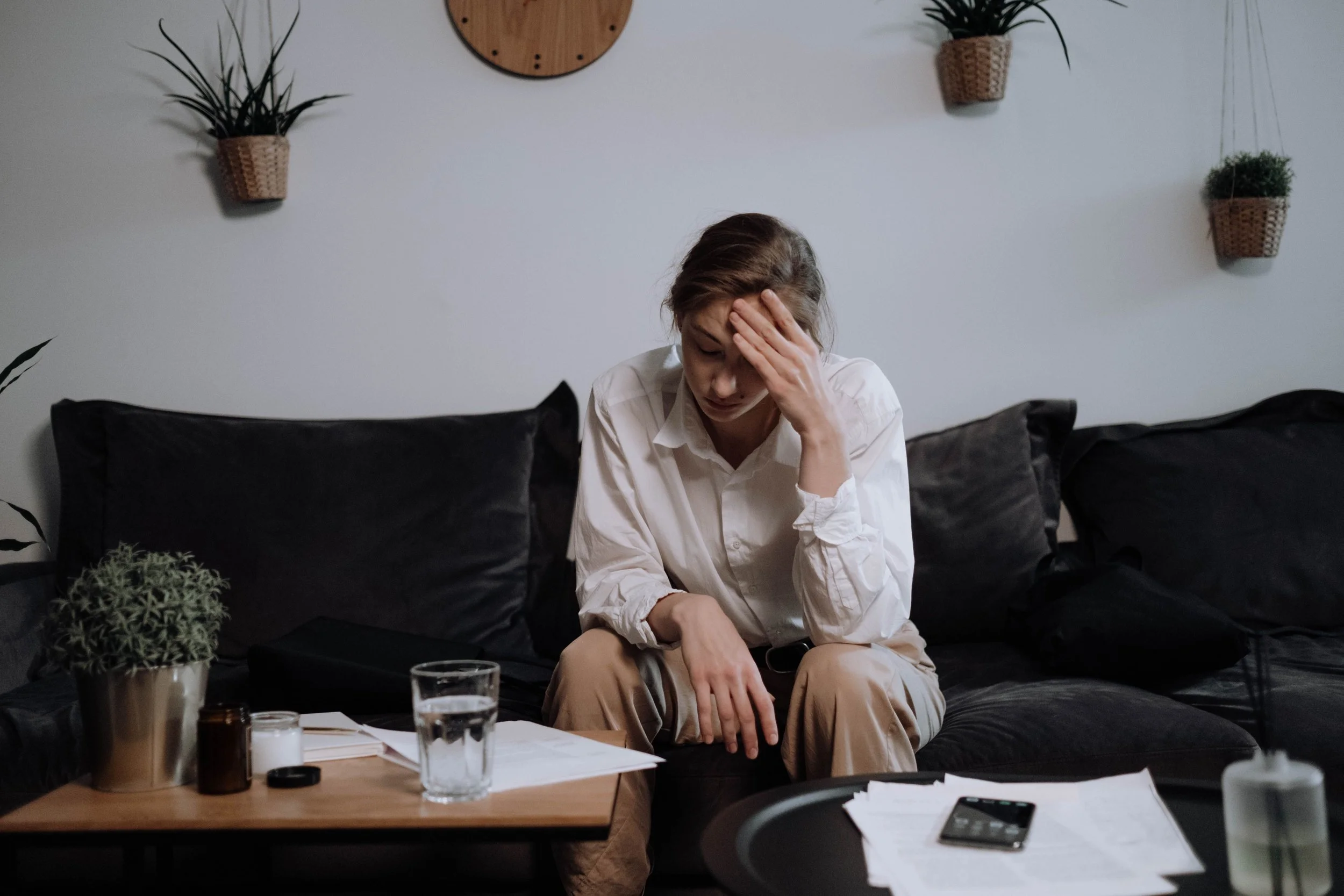
You finally sit down to eat, and someone asks how your day went. Before you can answer, you remember the message you forgot to send. You pick up your phone, see a new notification, and spend the next ten minutes mentally back at work. By the time you look up, your dinner is cold and the conversation has moved on.
A tough shift or a big deadline can take a while to shake off. When work starts taking up space in your sleep, relationships, and weekends, the pattern is worth paying attention to. Here are seven signs of work stress at home, with small ways to reclaim some of your time.
1. You replay a five-minute conversation for an hour
Your manager said, “Let’s talk tomorrow,” and now you’re going over everything you said in the meeting. Try writing down what you know, what you’re assuming, and anything you can clarify tomorrow. “My manager wants to talk” and “I’m in trouble” are two different sentences. Seeing them on paper can help you decide whether there’s anything to act on tonight.
2. One quick email check turns into another shift
You open your inbox to clear a notification and end up answering three messages. If your role allows it, pick a time to mute work alerts. If you’re on call or share responsibility across shifts, ask your team to agree on what’s urgent, who handles it, and how they’ll reach you.
3. You have less patience for the people you want to spend time with
The dog barks, someone asks what’s for dinner, and your answer comes out sharper than you intended. Try asking for a few minutes between work and the next demand. “I’m glad to see you. Can I take ten minutes to change and settle in?” gives the people around you a clearer sense of what you need.
4. You notice your jaw is clenched long after you’ve clocked out
Maybe your shoulders are still raised while you’re watching TV, or a headache keeps showing up toward the end of the day. Notice when the tension starts and what’s happening around it. You might spot a pattern tied to back-to-back calls, long stretches at a screen, or missed breaks. New, persistent, or worsening physical symptoms are worth discussing with a healthcare professional.
5. You’re tired on the couch and wide awake in bed
As soon as the room goes quiet, tomorrow’s task list starts running through your head. Try writing down your unfinished tasks before you settle in for the night. Give each item a next step. “Ask which deadline comes first” is easier to set aside than “Figure everything out.”
6. Even the plans you looked forward to feel like another obligation
You’ve been meaning to call a friend or go for a walk, but choosing what to do feels like one more decision. Try an easier version of something you usually enjoy: a short call, a walk around the block, or dinner you don’t have to cook. If you’re losing interest in things you enjoy across different parts of your life, bring that up with a healthcare or mental health professional.
7. Sunday afternoon already feels like Monday morning
You catch yourself checking the time and counting how much of the weekend is left. Ask yourself what specifically you’re bracing for. A difficult meeting might call for a few notes. A workload that exceeds the hours you have every week may call for a conversation about priorities or staffing.
How to switch off after work when the list is never finished

Before you clock out, write down where you stopped, what comes first next time, and what can wait. Then choose one small transition that fits your life. Change clothes after your shift, put your work bag away, or listen to music on the drive home.
If the same pressures keep spilling into your evenings, look at the work conditions too. A conversation about deadlines, coverage, or after-hours expectations may address a problem that an evening routine can only soften.
When to consider counseling for work stress in Arizona

If work stress is regularly affecting your sleep, relationships, or ability to enjoy time off, counseling can give you space to sort through what’s happening. You might work on responding to difficult conversations, setting boundaries you can actually keep, or deciding how to handle demands that keep exceeding your capacity.
Explore individual counseling at BrainBody Wellness Counseling or ask to be matched with a therapist for in-person support in North Scottsdale or online therapy in Arizona.
FAQs about work stress after hours
Can work stress affect sleep?
Work stress can be associated with sleep difficulties. You might notice yourself reviewing the day or planning tomorrow when you’re trying to fall asleep. If sleep problems persist or interfere with your day, talk with a healthcare professional.
What’s the difference between work stress and burnout?
Work stress can arise during a specific pressure, such as a deadline or schedule change. The World Health Organization describes burnout as an occupational phenomenon linked to chronic workplace stress that hasn’t been successfully managed. It involves exhaustion, increased mental distance or cynicism about work, and reduced professional effectiveness.
Disclaimer: This article is for general education and does not replace individualized medical or mental health advice, diagnosis, or treatment. These experiences can have several causes. A licensed professional can help you understand persistent or worsening symptoms.
Sources
CDC / National Institute for Occupational Safety and Health. Stress at Work. Covers job stress, workplace contributors, and warning signs.
Occupational Safety and Health Administration. Workplace Stress. Covers workplace factors and steps employers can take to address them.
World Health Organization. Burn-out an “occupational phenomenon”. Explains how burnout is defined in ICD-11.