Published: October 30, 2026 | Updated: October 30, 2026
By BrainBody Wellness Counseling
Clinically reviewed by Ali Schilling-Iverson, Psy.D.

You said yes to the Halloween party. Now you’re thinking about everything that could go wrong.
What if everyone knows each other except you? What if your costume feels out of place? What if you spend the evening looking at your phone because you don’t know what to say?
You want to have fun, but getting through the door already feels exhausting.
Whether you’re attending a Scottsdale gathering, a work costume party, or a friend’s Halloween dinner, social anxiety can make connection feel complicated. You can still make room for enjoyment—even if some nervousness comes along.
When the Scariest Part Is Feeling Judged
Social anxiety involves fear of being watched, embarrassed, or negatively evaluated. It can show up as a racing heart, a blank mind, or hours spent worrying before an event. Afterward, you might replay conversations and focus on perceived mistakes. Occasional party nerves don’t automatically mean you have a disorder; persistent distress and interference with daily life deserve attention.
Halloween adds its own questions: Is my costume too much? Am I supposed to know everyone? Will people think I’m boring?
The goal is to participate in ways that matter to you while learning that you can handle some uncertainty.
Make Your Halloween Goal Smaller Than “Be Confident”
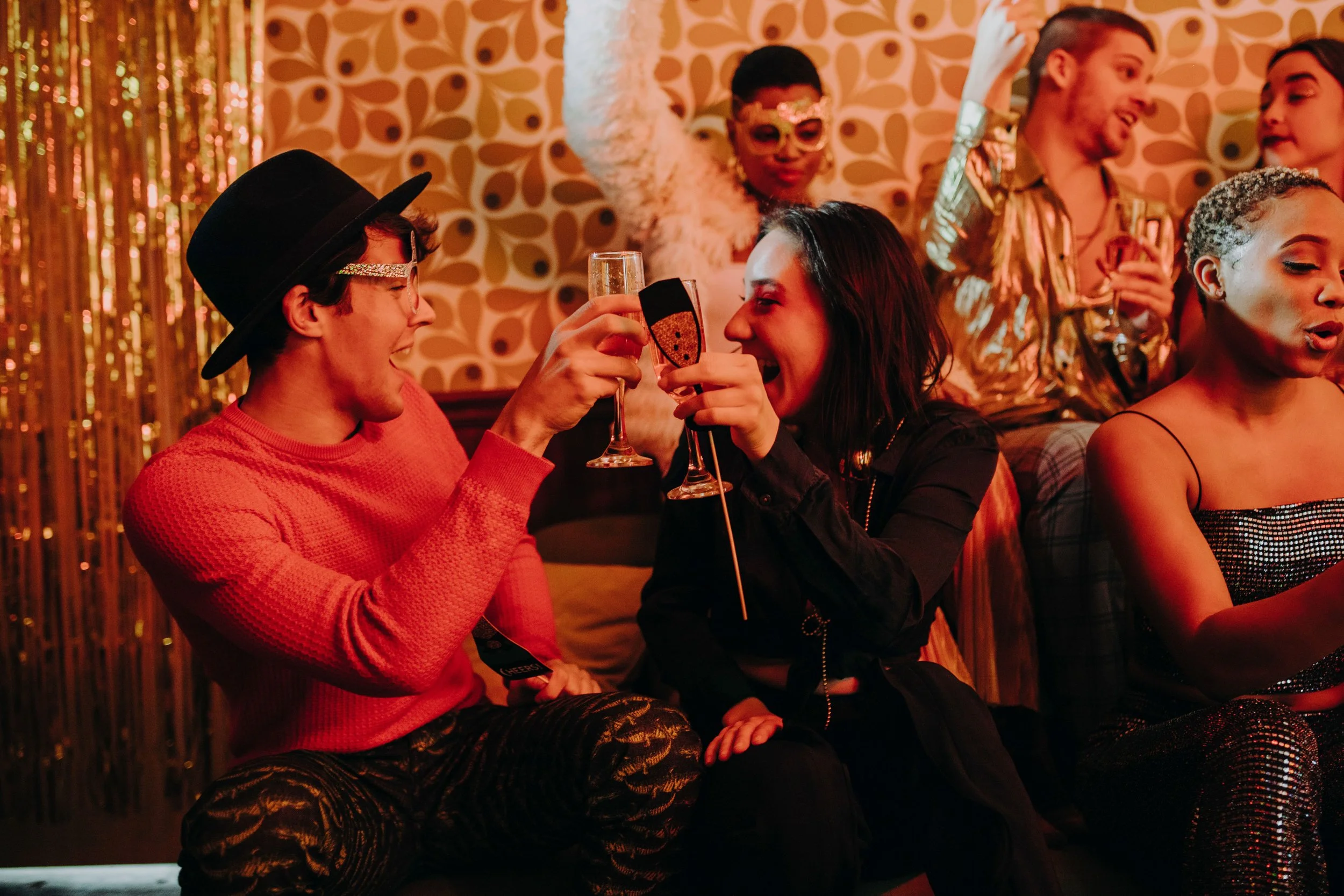
“Have an amazing night” is a lot of pressure. Choose something specific and manageable instead:
Say hello to the host.
Ask one person about their costume.
Join one activity you’re interested in.
Breaking challenging situations into smaller steps is a recommended self-help approach for social anxiety. You can build gradually instead of expecting yourself to feel comfortable immediately.
Choose a celebration you actually want to attend. A small costume dinner may suit you better than a crowded club. Progress can start somewhere manageable.
Give Yourself a Conversation Starter, Not a Script
You don’t need to be the funniest person in the room. Curiosity gives you somewhere to begin:
“What inspired your costume?”
“How do you know the host?”
“Have you watched any good Halloween movies lately?”
Listen to the answer and let it guide your next question. If your attention turns inward—Do I look awkward? Am I talking enough?—gently bring it back to what the person is saying. The NHS recommends focusing on others’ words rather than assuming the worst.
A pause in conversation is something you can move through. You don’t have to fill every second.
Let Anxious Predictions Be Predictions

Before the party, write down one worry:
“Everyone will notice I’m nervous.”
Then consider a more balanced response:
“Some people might notice, and I can still have a conversation.”
You don’t need to convince yourself that nobody will judge you. Practice allowing uncertainty while choosing your next small action.
This connects with cognitive behavioral therapy, or CBT, which helps people examine unhelpful thinking and practice different responses to feared situations. Individual CBT developed for social anxiety is a recommended treatment for adults.
Take a Breather Without Making Calm a Requirement
If you feel overwhelmed, pause somewhere quieter and try a few gentle, unforced breaths. Notice your feet on the ground and give yourself a moment to decide what comes next.
Feeling calmer may help, but you don’t have to eliminate every anxious sensation before rejoining.
Avoid relying on alcohol to make socializing possible. NHS guidance advises against using alcohol or drugs to relieve anxiety.

Set Boundaries That Leave Room for Connection
You can decline a haunted house, choose a comfortable costume, or skip drinking without giving a lengthy explanation.
Try: “I’m passing on that, but I’d love to join you for dinner.”
Ask yourself whether a choice reflects your preferences or whether fear is repeatedly keeping you from experiences you want. You don’t have to attend every event. If avoidance keeps shrinking your life, support can help you work toward meaningful goals gradually.
Don’t Turn November 1 Into a Performance Review
Afterward, notice what you practiced: you arrived, introduced yourself, or stayed present during an uncomfortable moment.
If you catch yourself replaying a conversation, separate facts from guesses. “There was a pause” is a fact. “They thought I was boring” is an interpretation.
Then return to your evening rather than repeatedly trying to solve what everyone thought.
Find Anxiety Counseling in Scottsdale and Across Arizona
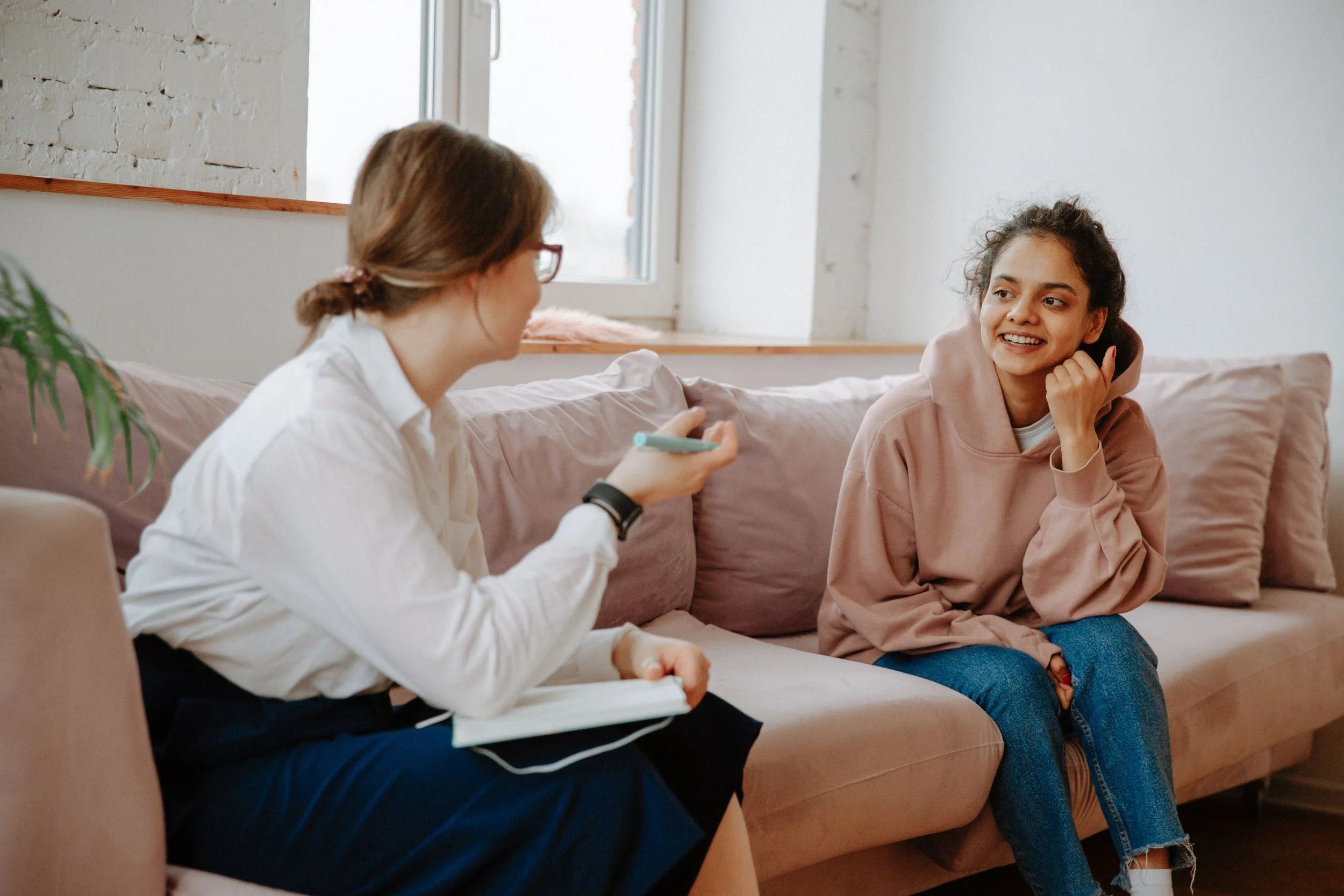
If social anxiety regularly affects friendships, work, dating, or activities you value, you can seek help now.
At BrainBody Wellness Counseling, we offer personalized anxiety counseling in Scottsdale and online across Arizona, including support for social anxiety. Our team offers approaches such as CBT, tailored to your needs and goals.
Contact us to request a free 10-minute phone consultation and explore a clinician match.
Questions You Might Be Asking Before Halloween
Can I enjoy Halloween with social anxiety?
Yes. Start with a manageable activity and a small connection goal. Enjoyment and nervousness can happen together.
Should I skip a Halloween party if I’m anxious?
Consider your preferences and goals. If you want to attend but fear keeps stopping you, a smaller step may help. A therapist can support that process.
When should I seek social anxiety counseling?
Consider counseling when fear of judgment causes ongoing distress, repeated avoidance, or difficulties with relationships, work, or daily activities.
This article provides general education and does not replace individualized mental health assessment or treatment.