How to Start Therapy in January: What to Expect & How to Prepare

January shows up with a lot of noise.
New year, new you.
This is the year everything changes.
But if we’re being honest? January can feel heavy. You might still be carrying stress from the holidays, financial pressure, relationship tension, or a quiet sense that something just isn’t working anymore. Maybe you’ve thought about therapy before — late at night, after a hard day, or during a moment where you realized you can’t keep doing things the same way.
And then the questions start:
Where do I even begin? What do I say? Will this actually help?
If that sounds familiar, you’re not behind — you’re paying attention. At BrainBody Wellness Counseling, we see so many people across Arizona begin therapy not because they’re broken, but because they want real support, practical tools, and a calmer way to move through life.
Let’s walk through what starting therapy in January really looks like — without pressure, perfection, or the expectation to reinvent your entire life overnight.
Start small so January actually feels different

You don’t need a full plan. You need one doable step:
Schedule a free consult or intake appointment
Check your insurance benefits for mental health coverage
Ask a trusted friend or provider for a referral for counseling in Arizona
Small, intentional action lowers overwhelm and helps your nervous system feel safer taking the next step.
What really happens during an intake session

Most counseling practices in Arizona follow a similar intake process:
Paperwork & insurance basics
You’ll complete consent forms, intake questions, and insurance verification. Having your plan name and member ID handy can help.
Clinical conversation
Your therapist will ask about what’s bringing you in, your history, and what you want support with. This isn’t an evaluation of whether you’re “doing therapy right” — it’s how we understand you.
Collaborative planning
Together, you’ll talk through options: frequency of sessions, areas of focus, and what support might be most helpful right now.
Logistics & expectations
Scheduling, fees, policies, and communication are reviewed so nothing feels unclear.
The first session is often about building context and safety — not diving into everything all at once. That’s normal, and it’s intentional.
How to prepare so your first session feels grounding (not overwhelming)

A little preparation can make therapy feel more supportive from the start:
Jot down your top 3 reasons you’re seeking therapy
Notice what’s changed recently and what you hope feels different in a few months
Bring practical info like medications, emergency contacts, and insurance
Be honest about what you want — skills, emotional processing, trauma-informed care, or mind–body support
At BrainBody Wellness Counseling, we believe therapy works best when it meets you where you are — not where you think you “should” be.
Choosing the right therapist in Arizona
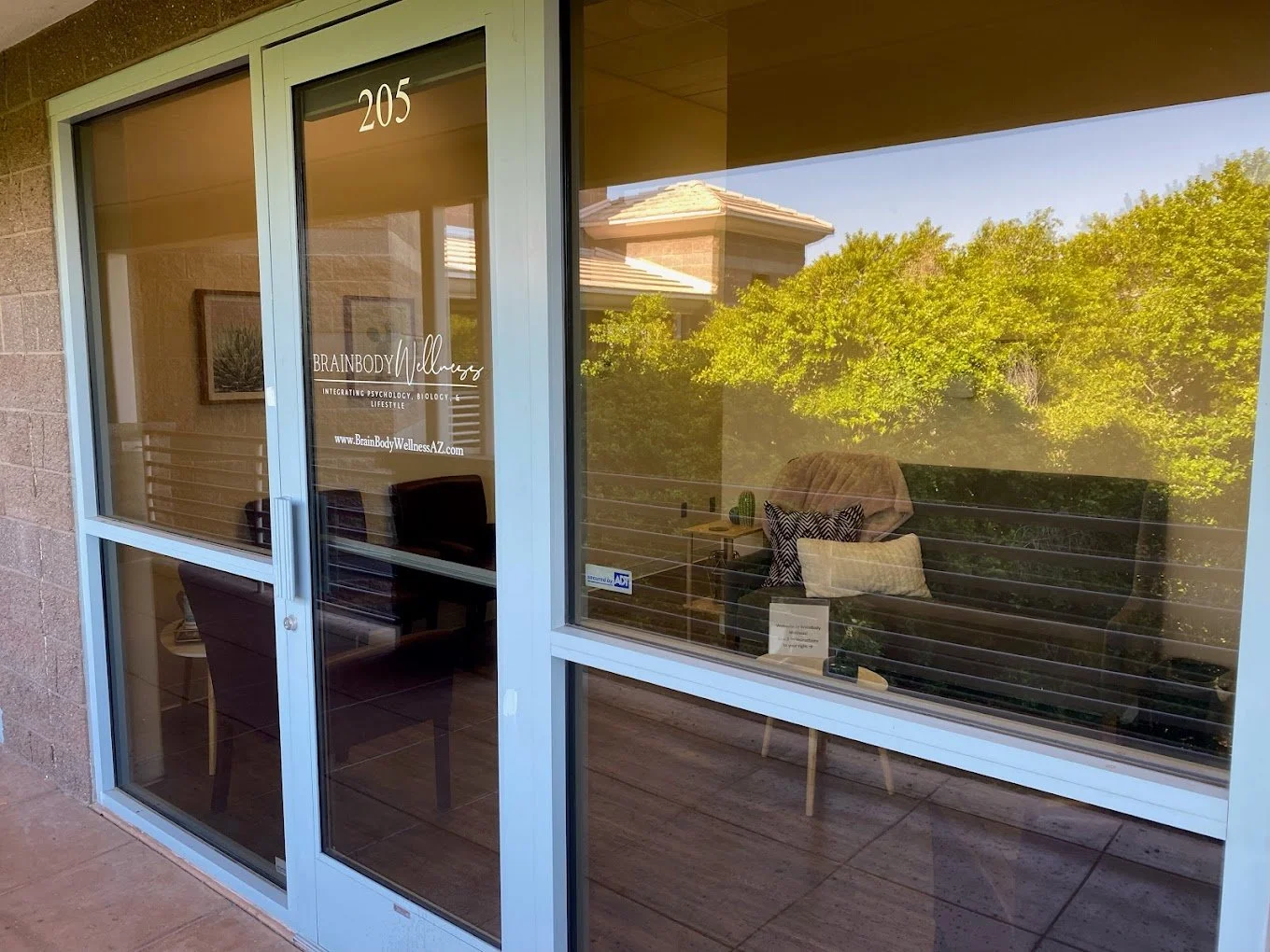
Finding the right fit matters far more than finding a “perfect” therapist. At BrainBody Wellness Counseling, we’re intentional about matching you with a clinician who aligns with your needs, goals, and nervous system — not just availability.
Approach
CBT, ERP, EMDR, ART, ACT, somatic therapy, IFS, and trauma-informed care all offer different paths to healing. Our team integrates mind–body and evidence-based approaches so your care feels personalized, not one-size-fits-all.
Connection
Feeling safe, respected, and understood is essential. We encourage you to trust your body’s response — therapy works best when the relationship feels steady and supportive.
Logistics
Consistency matters. That’s why we offer flexible scheduling, telehealth options, and transparent fees to help counseling in Arizona fit into your real life — not add more stress to it.
At BrainBody Wellness Counseling, therapy is designed to meet you where you are and support you as you grow.
What progress can look like in the first month
Therapy isn’t instant transformation — and that’s okay. Early signs of progress often include:
Feeling heard and less alone
Having a clearer understanding of patterns or stressors
Learning one or two tools that actually help
Feeling slightly more regulated or rested
These small shifts are meaningful. They’re how sustainable mental health wellness begins.
Common concerns — and how we work through them
“I’m worried about the cost.”
Ask about sliding scale options, insurance coverage, or referrals to community resources in Arizona.
“My schedule is packed.”
Many clients benefit from telehealth or evening appointments.
“I’m not ready to talk about everything.”
That’s okay. You set the pace. Therapy can start with practical support and build from there.
Before your first appointment — a quick checklist
Write 3 reasons you’re seeking therapy
Gather insurance and medication info
Note 2–3 questions you want to ask
Confirm appointment details or telehealth link
FAQs: Starting Therapy in January
How long until therapy helps?
Many people notice small changes within a few sessions. Deeper healing takes time, consistency, and compassion.
How do I find affordable counseling in Arizona?
Look for in-network providers, sliding scale practices, or community mental health clinics. We’re happy to help guide you.
What if my therapist isn’t the right fit?
That happens — and it’s okay. You can request a change. The relationship matters.
Do I need a diagnosis?
No. Therapy is for support, growth, and mental health wellness — not just diagnoses.